Collapsing Retaining Walls
Collapsing Retaining Walls in Louisville & Lexington, KY
Retaining walls play an important role in managing soil, water, and elevation changes around a property. At Case Foundation Systems, we address issues related to failing or collapsing retaining walls in Louisville and Lexington, KY. We understand how retaining wall problems often connect to broader foundation and drainage concerns, and why timely repairs matter.
Why Do Retaining Walls Fail?
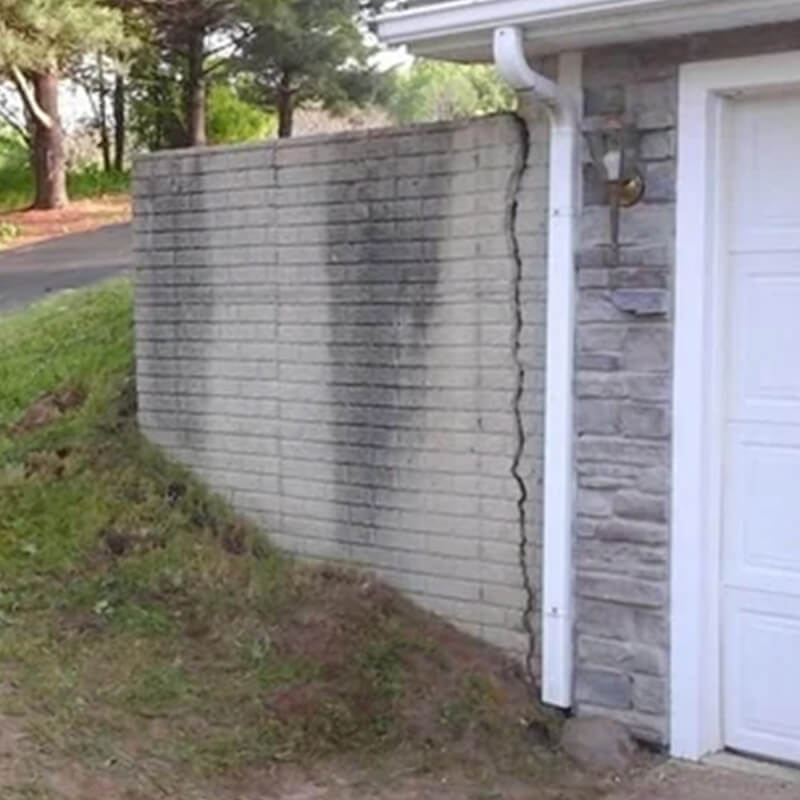
Retaining walls are designed to hold back soil and manage pressure, but they are not immune to failure. Problems typically develop when a wall is no longer able to resist the forces acting against it. These forces may increase over time due to soil conditions, water buildup, or construction limitations tied to the original retaining wall’s design. There are several common reasons we see collapsing retaining walls in residential settings. Each factor can weaken structural integrity on its own, but failures often result from a combination of these issues:
- Faulty Construction – Improper retaining wall installation is a leading cause of early failure. Walls that lack adequate footings, reinforcement, or drainage systems struggle to resist soil pressure. When construction shortcuts are taken, the wall may begin to lean, crack, or separate far sooner than expected.
- Age & Wear – Even well-built retaining walls experience wear over time. Materials degrade, mortar weakens, and repeated freeze-thaw cycles can take a toll. As walls age, they may lose strength and flexibility, increasing the risk of cracking or collapse, especially if maintenance has been limited.
- Exterior Stress – Exterior forces place constant pressure on retaining walls. Saturated soil, poor drainage, nearby tree roots, and additional loads from driveways or structures all increase stress. When water builds up behind a wall without a way to escape, hydrostatic pressure becomes one of the most damaging contributors to failure.
Warning Signs of a Collapsing Retaining Wall
Subtle changes often appear months or years before a retaining wall failure or collapse occurs. Recognizing these early indicators allows repairs to be completed before the wall becomes unsafe. Homeowners should watch for visible and structural changes that suggest movement or pressure problems. These signs may appear gradually or worsen after heavy rainfall:
- Cracks forming along the face or joints of the wall
- Bulging, bowing, or leaning sections
- Soil washing out from behind or beneath the wall
- Gaps developing between wall segments or steps
Potential Risks of Ignoring a Collapsing Retaining Wall
Ignoring retaining wall damage can lead to more than cosmetic problems. As walls fail, soil movement can affect nearby structures, including foundations, walkways, and driveways. In some cases, a collapsing wall can redirect water toward the home, increasing the risk of basement leaks or foundation settlement.
Safety is also a concern. A wall that gives way unexpectedly can damage property or create hazardous conditions for occupants and visitors. Repair costs often increase significantly once a wall has fully collapsed rather than being stabilized early.
How to Prevent Retaining Wall Collapse
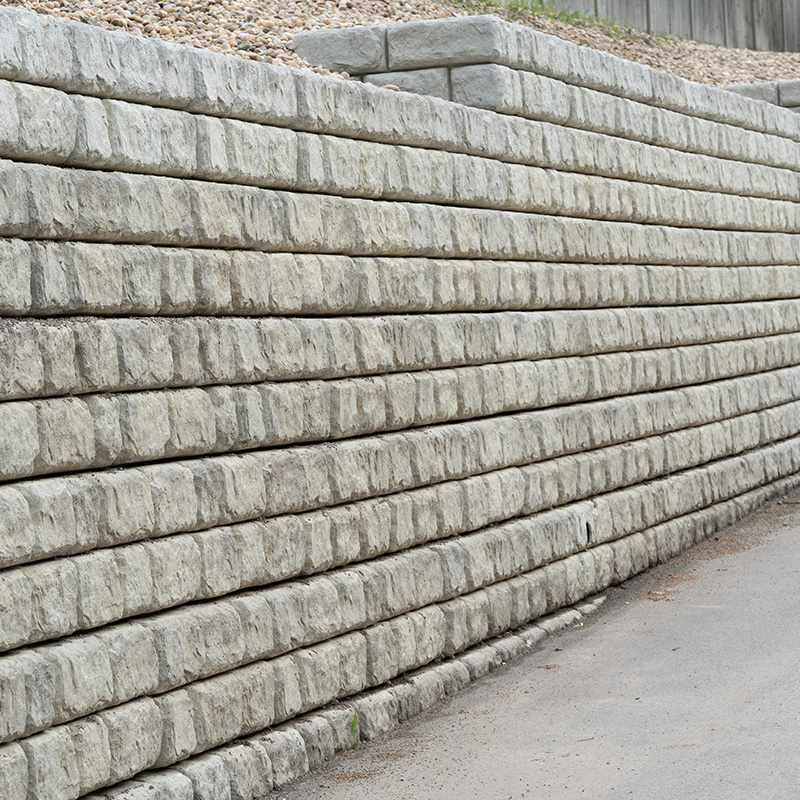
Prevention starts with proper design, installation, and maintenance. Understanding the types of retaining walls on a property helps determine what level of care and inspection is needed. Gravity walls, cantilever walls, and anchored systems each handle pressure differently and have different maintenance considerations. Routine inspections after heavy rain, ensuring drainage paths remain clear, and addressing minor cracks early can extend the life of a retaining wall. Proper grading and water management around the property also reduce stress on retaining structures over time.
Professional Repair Options for Collapsing Retaining Walls
When a retaining wall shows signs of failure, professional evaluation is essential. Our team assesses soil conditions, wall construction, and drainage to determine the most effective repair approach. Depending on the situation, repairs may involve reinforcing the existing wall, improving drainage, or rebuilding sections with modern materials. All of our solutions use ICC-certified products designed to handle long-term structural loads. Our goal is to restore stability while addressing the conditions that caused the wall to fail in the first place, rather than applying surface-level fixes.
Why Choose Case Foundation Systems
Case Foundation Systems has been in business since 1944, and our approach is based on proven methods and clear communication. We focus on reasonably priced solutions that make sense for the property and the problem being addressed, and we take the time to explain findings and options so decisions are based on understanding, not pressure. Financing is available to help homeowners move forward with necessary repairs.
FAQs
Poor drainage and excessive soil pressure are among the most common causes, often combined with aging materials. In many cases, walls can be stabilized or reinforced, but the appropriate solution depends on the extent of movement and structural damage. They can be. Soil movement and water pressure affecting a retaining wall can also impact nearby foundations if left unaddressed.
Schedule a Retaining Wall Inspection
Are you noticing signs of collapsing retaining walls on your property? Professional evaluation can help prevent further damage. Contact Case Foundation Systems today to schedule an inspection and learn which repair options will best protect your home and landscape.