
Cracked Stair Steps, Bricks, Chimneys, Foundation
Cracked Bricks & Foundation Issues in Louisville & Lexington, KY
Cracked bricks in masonry and concrete damage are often the first visible warnings that something is happening beneath a home. Case Foundation Systems helps homeowners understand what those changes mean and how to address them correctly. We have inspected and repaired homes throughout Louisville and Lexington, KY, where early brick or chimney damage was tied directly to foundation movement.
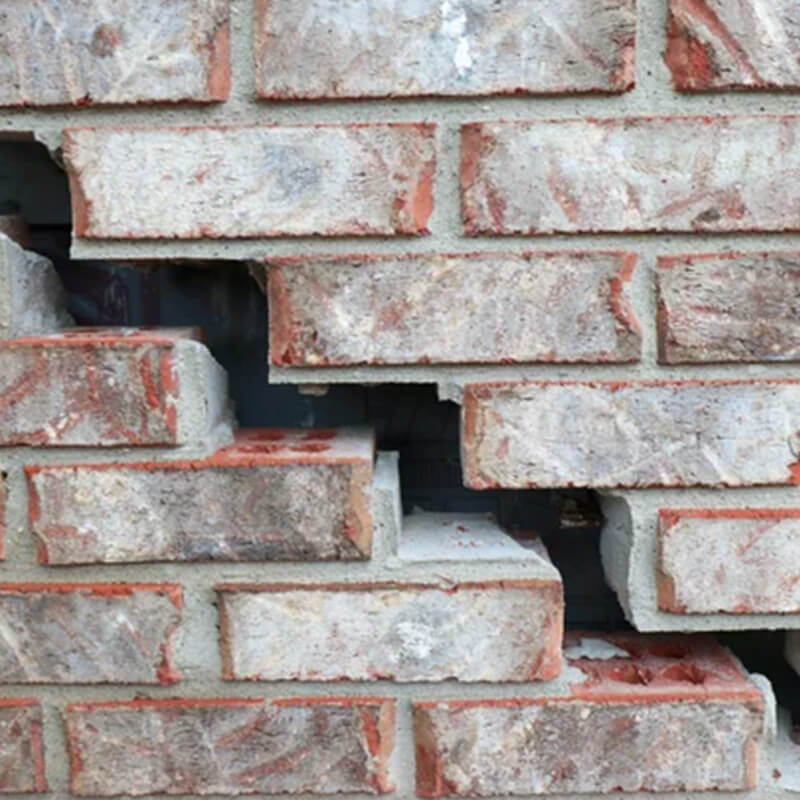
What Cracked Stair-Step Bricks Indicate About Your Foundation
Stair-step cracking in brickwork is one of the most common structural warning signs we see. These cracks typically follow the mortar joints in a stepped pattern and often appear along exterior walls or where a brick foundation wall meets the ground. While cracked bricks may seem cosmetic at first, they usually point to foundation settlement or shifting soil below the structure.
Stair-step cracks form when parts of the foundation move unevenly. As the foundation drops or shifts, the rigid brick cannot flex, so it cracks along its weakest points. Homeowners often ask how to fix cracked bricks, but the answer depends on resolving the underlying foundation issue first. Replacing bricks does not stop continued movement.
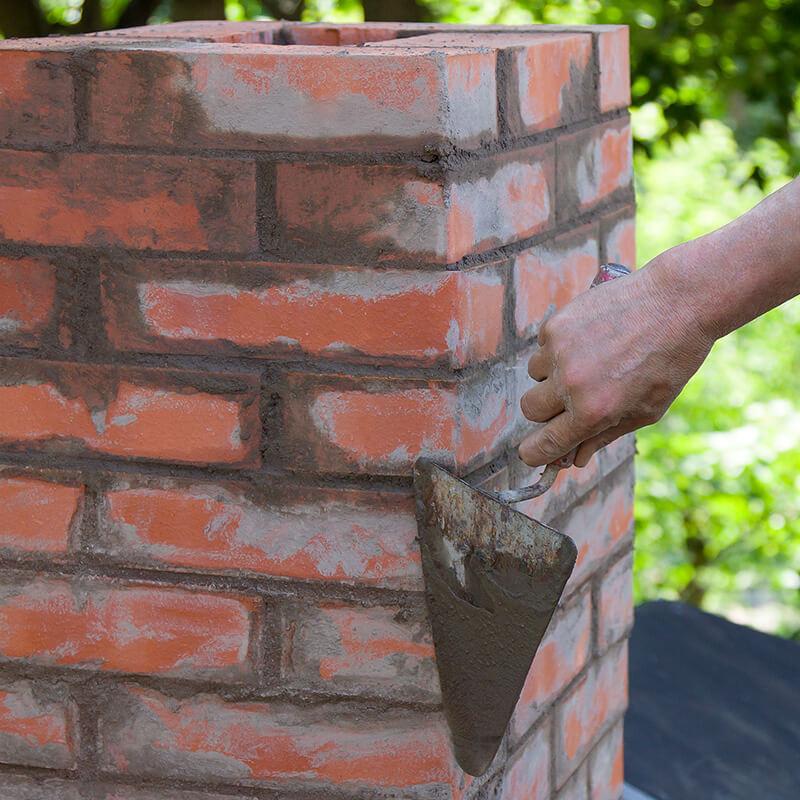
Chimney Leaning or Cracking
Chimneys are especially vulnerable to foundation movement because they are heavy and often built on separate footings. When soil conditions change or support weakens, the chimney may begin to pull away from the house or develop visible cracks. In some cases, the chimney may lean outward, creating safety concerns in addition to structural damage.
Cracked chimneys often accompany other signs, such as gaps between the chimney and siding or cracks running vertically through the masonry. To repair cracked concrete block chimneys correctly, it requires stabilizing the footing or foundation that supports them. Without addressing that cause, surface repairs will continue to fail.
Foundation Cracks: Types & What They Mean
Cracks in foundation walls vary widely in appearance and severity. Understanding the type of crack helps determine whether immediate repair is needed, as different crack patterns tend to point to different structural conditions. During inspections, we look at size, direction, and location to identify what is happening below the home:
- Vertical cracks may indicate settlement or shrinkage.
- Horizontal cracks often signal lateral soil pressure.
- Diagonal or stair-step cracks are associated with uneven foundation movement.
Knowing how to repair cracks in foundation walls starts with identifying which category they fall into. Structural cracks require stabilization before sealing or reinforcement can be effective.
Why These Signs Matter
Ignoring masonry or foundation damage can allow problems to spread. As the foundation continues to move, stress transfers to framing, floors, and interior walls. Over time, homeowners may notice sticking doors, sloping floors, or recurring drywall cracks.
Cracks in foundation walls also create pathways for water intrusion. Moisture entering through these openings can lead to mold growth, increased humidity, and further deterioration of concrete and masonry materials. Addressing early warning signs helps limit repair scope and long-term cost.
What Causes These Foundation Issues?
Homeowners often ask what causes cracks in foundation systems and why they appear years after construction. In Kentucky, soil composition and moisture changes are major contributors. Clay soils expand when wet and shrink during dry periods, creating repeated cycles of pressure on foundation walls. Other contributing factors include poor drainage, plumbing leaks, and improper grading that allows water to collect near the foundation. Over time, these conditions weaken soil support and increase the likelihood of cracking in brickwork, chimneys, and concrete walls.
How Can Professionals Fix These Problems?
Our process focuses on stabilizing the foundation so that repairs last. Depending on the issue, we may recommend foundation piers, wall reinforcement systems, or chimney stabilization solutions. All of our systems use ICC-certified products designed for structural performance. Once the foundation is stabilized, cosmetic repairs such as brick replacement or crack sealing can be completed. Addressing both the cause and the visible damage ensures long-term results rather than temporary fixes.
Why Choose Case Foundation Systems
Choosing an experienced foundation contractor helps ensure accurate diagnosis and appropriate repair. We focus on practical, engineered solutions that fit the actual conditions of the home rather than one-size-fits-all approaches, and our team prioritizes clear explanations so homeowners understand what repairs are needed and why. We have remained in business since 1944 by providing consistent service and dependable results. Our repairs are reasonably priced, and financing is available to make necessary structural work more manageable for homeowners
Schedule a Foundation Inspection
It is important to have a professional evaluate cracked bricks, chimney damage, or cracks in foundation walls around your home. Schedule an inspection with Case Foundation Systems today and learn how to protect your home’s structure and value.